



Why Homebody Culture Is Changing Consumer Spending


In the past, people were more likely to spend their time and money on dining out, traveling, or other offline entertainment. Today, however, more consumers are investing in their hobbies and personal interests. From gaming, anime, photography, and model collecting to home fitness, collectibles, and personalized wellness products, homebody culture has evolved from a niche lifestyle into a growing force shaping modern consumer behavior.
This shift has changed not only what people buy, but also why they buy it.
More People Are Spending on What They Love, Not Just What They Need
In recent years, the hobby economy has become a major trend across many industries. Rather than purchasing products simply to meet basic needs, consumers are increasingly willing to invest in items that provide long-term enjoyment and personal satisfaction.
This trend is easy to spot in everyday life. Gamers upgrade their PCs and accessories, photographers invest in lenses and lighting equipment, while collectors carefully organize display cabinets for figures, vinyl records, or other treasured items. Instead of buying something once and moving on, many consumers now look for products that can become part of a long-term hobby.
This change reflects a broader shift in lifestyle. People are beginning to realize that lasting happiness often comes from interests they can continue to enjoy over time, rather than from one-time purchases.
Why Is Homebody Culture Becoming More Popular?
The rise of homebody culture does not mean people no longer enjoy socializing. Instead, it reflects a growing appreciation for personal space and time.
Remote work, the expansion of digital entertainment, and increasingly busy schedules have encouraged many people to spend more of their free time at home. After a long day, some people enjoy gaming, others prefer reading, photography, building model kits, or organizing personal collections.
Psychologists suggest that hobbies can help reduce stress, restore attention, and increase a sense of control over daily life. Having a dedicated space for personal interests often creates a lasting sense of satisfaction rather than temporary excitement.
As a result, modern consumers increasingly evaluate products based on whether they fit naturally into their lifestyles instead of simply following trends.
From Collecting to Sharing: Hobbies Have Become a Lifestyle
Online communities have played an important role in the growth of hobby-based consumption.
On platforms such as Reddit and YouTube, people no longer share only unboxing videos. Instead, they post long-term reviews, DIY projects, photography tutorials, collection displays, and home workspace setups. Popular content is often less about what someone bought and more about how that product fits into their daily life.
Figure collectors showcase display shelves, photographers discuss lighting techniques, and model builders document the creation process. These communities allow people with shared interests to exchange ideas, making hobbies an ongoing lifestyle rather than a one-time purchase.
Because of this, many products now have much longer life cycles, encouraging consumers to continue learning, maintaining, and sharing their experiences.
Hobby-Based Spending Gives Products Greater Long-Term Value
As consumers place more emphasis on long-term experiences, the meaning of product value has also changed.
For many people, products are no longer valued only for their functions. They also represent hobbies, collections, and personal identity. Consumers increasingly consider whether a product is easy to maintain, durable, suitable for their living space, and capable of providing satisfying experiences over time.
This trend is also visible in the sexual wellness industry. As discussions around sexual wellness become more open, consumers are approaching personal wellness products with greater thought and intention.
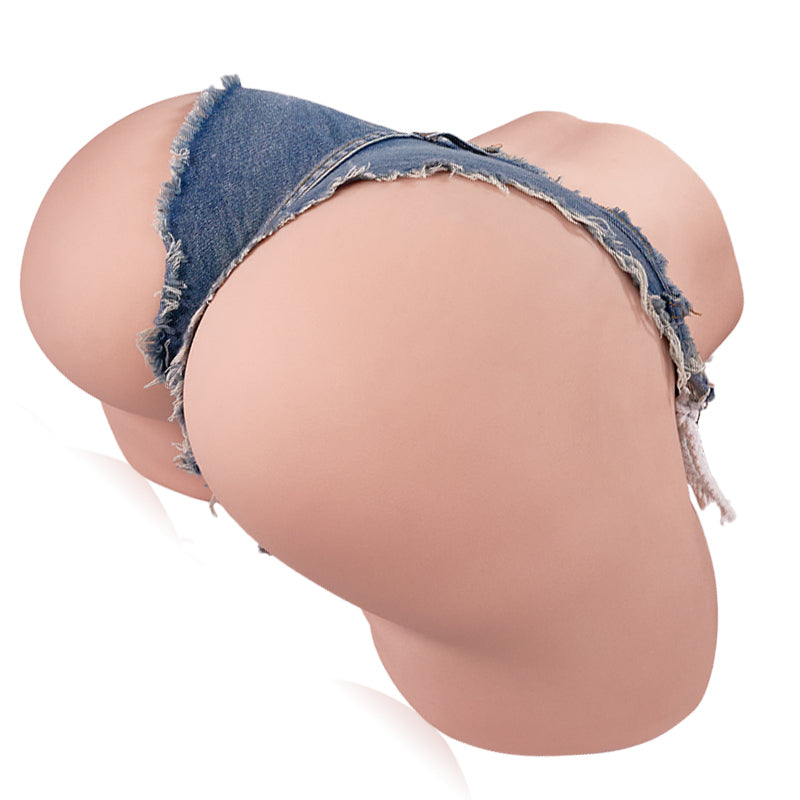
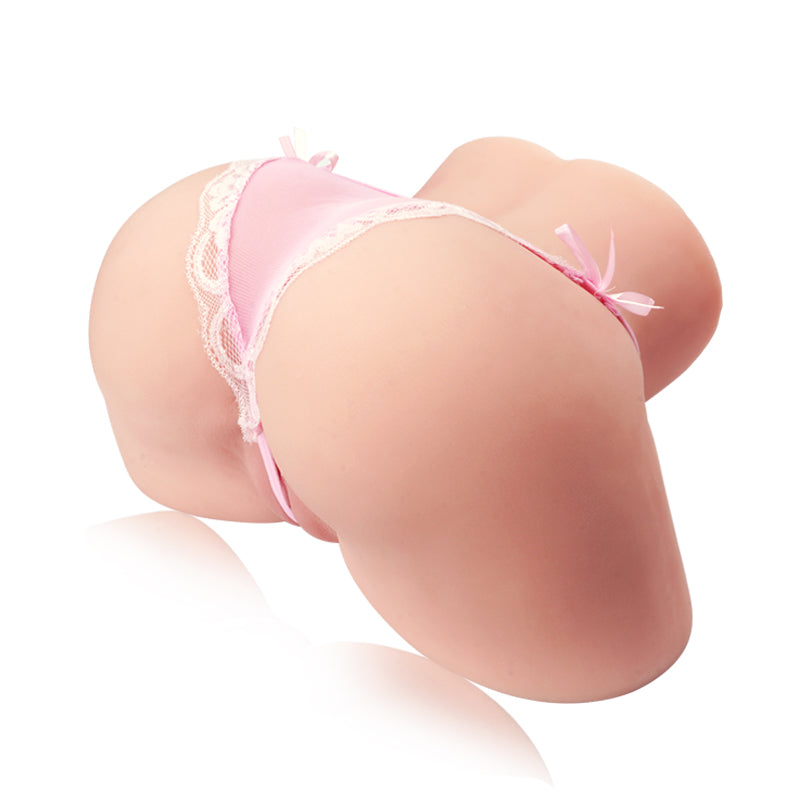
For example, a sex doll torso has gained attention among some users because it offers a balance between realistic experiences, convenient storage, and easier maintenance. Meanwhile, a big ass sex doll appeals to those who prioritize visual realism and a more immersive experience. Rather than one product being objectively better than another, different products simply meet different lifestyles, living situations, and long-term expectations.
For many consumers, choosing these products is no longer just about purchasing an item—it is about finding an experience that aligns with their interests and everyday lives.
Better Consumption Reflects Better Lifestyle Choices
In the past, consumers focused primarily on price and functionality. Today, more people consider whether a product can naturally become part of their daily routines.
This shift extends far beyond electronics or home furnishings. It also influences hobby-related purchases and personal wellness products. Before making a decision, many consumers spend time researching, reading authentic user reviews, and participating in online communities because they want products that genuinely fit their needs instead of simply following popular recommendations.
In other words, better consumption is not about spending more—it is about choosing more wisely.
There Is No Perfect Hobby—Only the Right One for You
The rise of homebody culture has encouraged people to rethink the value of personal interests. Whether someone enjoys gaming, photography, collecting figures, or exploring products such as a sex doll torso or big ass sex doll, these choices all reflect a broader change in consumer behavior.
People are no longer purchasing products solely for their functions. Instead, they are looking for products that can accompany their hobbies, fit their lifestyles, and provide long-term satisfaction.
Because every person's interests and lifestyle are different, there is no universal "best" choice. The most meaningful purchases are those that continue to bring enjoyment over time and genuinely support the way each individual chooses to live.