



Is owning a sex doll normal? Psychology's answer might surprise you.

 "Did you buy this because you can't find a girlfriend?" A colleague, after learning about his lifestyle, bluntly told him, "You're a pervert." No questions asked, no understanding sought, and a label was slapped on him.
This isn't an isolated case. In a reported study, almost all respondents mentioned the same pressure—anticipated stigma. They weren't attacked by everyone, but they anticipated negative judgments and chose silence. "I've seen others humiliated because of it, so I decided not to tell anyone," one participant said.
If you're hesitating about buying your first sex doll, your first thought is likely, "Is there something wrong with me?" The answer is: No. Psychological research doesn't support this judgment.
The label of "problematic" sex doll ownership is societal, not medical.
While systematic research on sex dolls in academia is not extensive, sufficient data supports a basic consensus.
A study published in The Journal of Sex Research surveyed 158 men who owned sex dolls and 135 men in a control group who did not, comparing their personality traits, emotional functioning, attachment styles, and sexual aggression tendencies.
The results were surprising: there were almost no significant differences between the two groups. Owners did not have more psychological problems than non-owners, nor was there evidence that they posed a greater sexual threat to women or society.
In fact, another analysis by the same research team found that owners scored lower on sexual aggression tendencies than the control group. The researchers concluded: "Studying sex doll ownership from a preconceived psychopathological perspective may be misleading." In other words, psychology does not classify "sex doll ownership" as an abnormal behavior in any diagnostic criteria. It does not meet the core characteristics of addiction, nor does it fall under the diagnostic scope of sexual preference disorders. Your anxiety stems more from "what others will think of me" than from "I really have a problem."
Vibrators are acceptable, but sex toys are not?
The article at Psychologytoday mentions that although sex toys (including vibrators) are now widely accepted, they still carry a stigmatized history—some people hide vibrators deep in their closets, feeling ashamed even when living alone, simply because they were "told from childhood that it was shameful."
However, the article also points out that the psychological benefits of sex toys far outweigh their associated negative connotations: they can enhance sexual health, boost self-esteem, increase the chances of orgasm, and improve mental health.
There is a clear gender double standard here. Our culture has become increasingly tolerant of women's sex toys, even imbuing them with a sense of "self-empowerment." But men's tools for sexual exploration? They are still shrouded in an inexplicable stigma.
The American Society for Sexual Health (ASHA) defines sexual health as "the ability to embrace and enjoy sexuality throughout life," emphasizing that "sexual health is an important component of physical and emotional health." Within this framework, satisfying sexual needs in a safe, private, and harmless way is not only not pathological, but rather a form of self-care.
Sex dolls are not fundamentally different from vibrators, masturbators, or lubricants—they are all tools that help individuals explore pleasure in a safe and controlled environment. The difference lies in the fact that sex dolls provide a more complete physical interaction experience, including visual, tactile, and even a degree of "companionship."
Where Does Shame Come From? The "Should" Mindset at Play
If you feel ashamed, the root cause is often the "should" mindset:
-
"I should satisfy my needs through real relationships."
-
"Real men don't need these."
-
"Normal people wouldn't buy this kind of thing."
But "should" is not the same as "reality." When real relationships are unavailable or temporarily unsuitable, denying your needs can cause even greater psychological repression.
A saying circulates among sex therapists: "Sex toys aren't the problem; shame and concealment are." Many men who come for counseling aren't truly troubled by the toys themselves, but rather by "I'm afraid to admit I have this need."
Psychologically, this self-denial is more destructive than the behavior itself.
Can it really help you become a better partner?
This is a counterintuitive conclusion, but it's supported by some research: regular solo release, including the use of sex dolls, may improve, rather than harm, your intimate relationships.
The reasons are:
-
Reduced sexual anxiety: When you understand your own response rhythm, the pressure to perform during real sex is significantly reduced.
-
Clarify your preferences: You know what angles and rhythms work best for you, allowing for better communication with your partner.
-
Reduced pressure from "need": When basic needs are safely met, you're more at ease during dates and less likely to make irrational decisions due to "hunger."
Of course, this is all in balance. If sex dolls completely replace your desire and effort in real relationships, then it may need to be reconsidered. But for the vast majority of users, it's simply a tool in their toolbox.
If you decide to try, how to start?
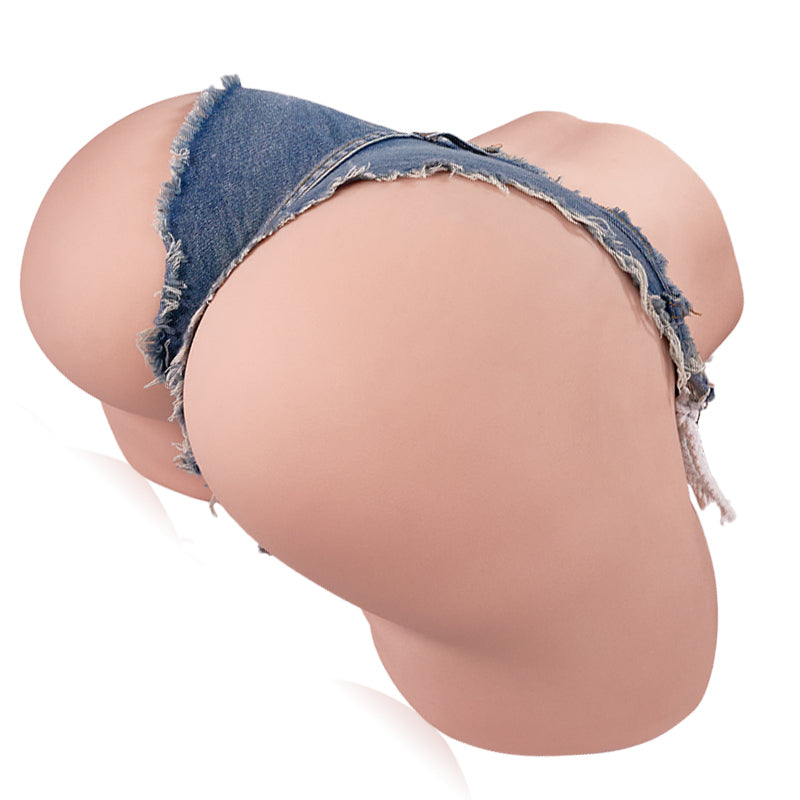
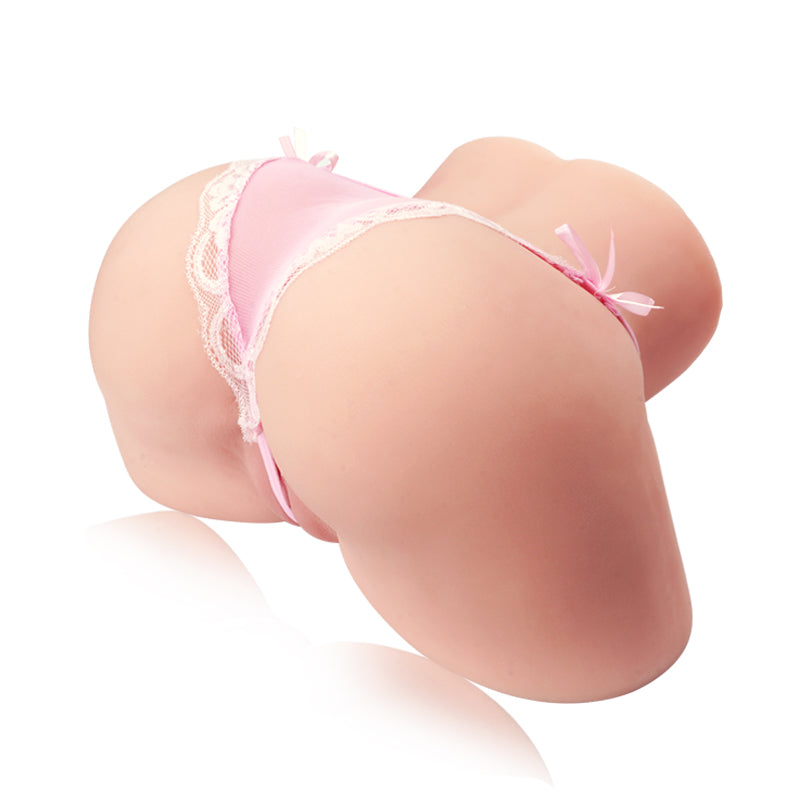
For those new to sex dolls, Sex Torso dolls are often the most approachable starting point. Compared to full-size dolls that can cost thousands of dollars and weigh almost as much as a real person, Sex Torso dolls are much more accessible – they typically cost a few hundred dollars, are lighter, can be stored in a regular closet or under a bed, and cleaning and maintenance don't require the tedious steps of dealing with limbs and heads.
Conclusion
Finally, owning a sex doll is like owning a good mattress, a good set of gym equipment, or a favorite book—it's part of your private life, serving your comfort and happiness.
If you're hesitating to take the first step, why not start by understanding your own preferences? Whether it's exploring the science of body attraction or finding a product that truly resonates with your intuition, Tantaly offers a professional starting point. After all, knowing what you like is the first step to fulfilling yourself.